Searchabilitea is our short read about getting found, cited, and believed across AI and search. This cup pairs well with video.
Short answer: Mention Group now publishes on YouTube, and if your brand still files video under “social media, someday,” the data says you are leaving visibility on the table. Not social visibility. Search visibility. AI visibility.
First, the video
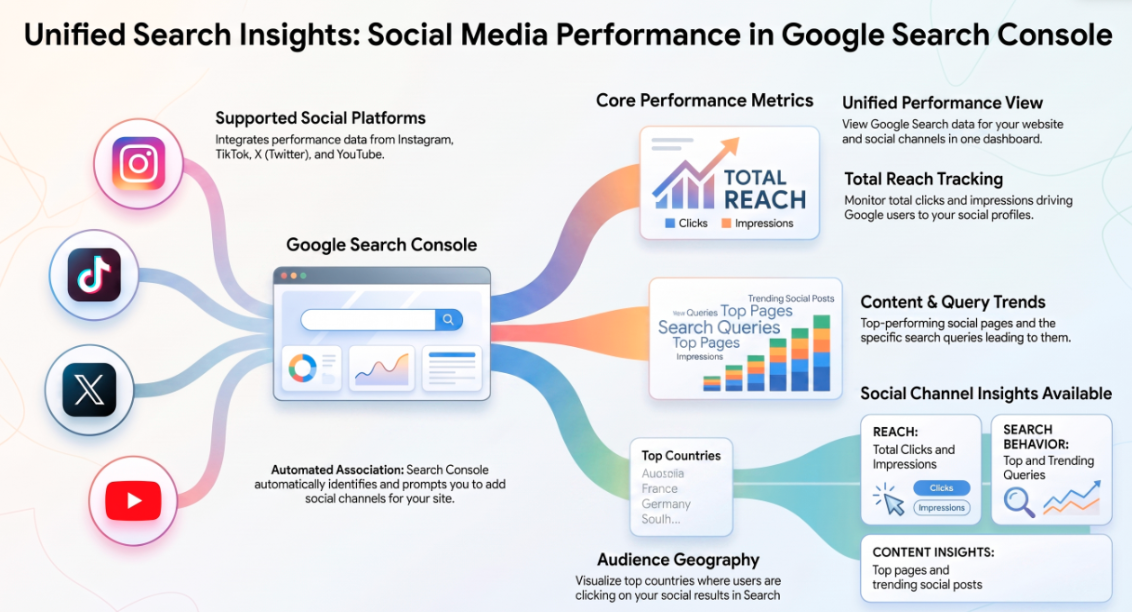
Episode one of SearchabiliTea covers the story from Issue 01: Google Search Console’s new platform properties, which report how your Instagram, TikTok, X, and YouTube content performs in Google Search and Discover. Watch it here, then subscribe to the channel so the next one finds you.
The numbers that made this an easy call
YouTube stopped being “a social platform” a long time ago. It is a search engine, a research tool, and increasingly the source AI assistants reach for when they need video.
- YouTube has more than 2.7 billion monthly users and handles billions of searches every day, more than any platform except Google itself.
- More than 60% of shoppers use YouTube to research products before they buy.
- YouTube is the most-cited domain in Google AI Overviews, with roughly a 29.5% citation share (BrightEdge).
- Across ChatGPT, Perplexity, and Google’s AI results, YouTube is cited about 200x more than any other video platform.
- 94% of YouTube citations in AI answers go to long-form video, not Shorts (OtterlyAI).
- Only 31% of cited videos use chapters or timestamps, and description quality correlates with repeat citations more than views or subscribers do. Most brands have not caught up. That gap is your opening.
And now Google measures it for you
This connects straight back to Issue 01. With platform properties in Search Console, your YouTube channel now reports clicks, impressions, and queries the same way your website does. Video is officially part of your search data, not a separate universe.
How your brand should show up on YouTube
- Treat titles and descriptions as search copy. Write them for the question being asked, not for the algorithm gods. Description length is one of the strongest predictors of AI citations.
- Add chapters and timestamps to every video. Only about a third of cited videos have them. It is the cheapest optimization in video right now.
- Go long where it counts. Shorts build reach, but long-form earns the citations. Explain something properly and AI engines will quote you for months.
- Keep your channel identity consistent with your brand entity. Same name, same description, same links as your website and profiles, so machines connect the dots.
- Embed your videos on your own site with proper VideoObject markup, so every video strengthens your pages and every page strengthens your videos.
- Measure it like search. Verify your channel as a platform property in Search Console and watch which queries actually surface your videos.
This is discoverability, same as ever: show up where decisions happen, in a format machines can read and people actually want. Right now, that format is increasingly video.
FAQ
Is YouTube really a search engine?
Functionally, yes. YouTube handles billions of searches every day, more than any platform except Google itself, and over 60% of shoppers use it to research products before buying.
Why does YouTube matter for AI search visibility?
YouTube is the most-cited domain in Google AI Overviews, with roughly a 29.5% citation share, and it is cited about 200x more than any other video platform across ChatGPT, Perplexity, and Google’s AI results.
What makes a YouTube video get cited by AI?
Long-form beats Shorts: 94% of YouTube citations in AI answers go to long-form video. Detailed descriptions and chapter or timestamp structure correlate most strongly with repeat citations, not views or subscribers.
Watch, then measure.
Subscribe for the next SearchabiliTea episode. And if you want to know how AI and search present your brand today, video included, start with a Mention Report.
Sources: Search Engine Land / BrightEdge, OtterlyAI YouTube Citation Study 2026, BrightEdge AI Search Insights, Global Media Insight.